
🐕 Who is a Romanian Rescue Dog?
By Michele Kent
Adopting a Romanian rescue dog can be one of the most meaningful and rewarding experiences of your life. These dogs are intelligent, sensitive, and deeply perceptive — but they can also be challenging, confusing, and at times emotionally demanding. Many adopters find themselves wondering why their dog struggles with things that seem so “normal” in a domestic home.
The answer is simple, though not always easy: Romanian rescue dogs are not typical companion dogs — and understanding who they are is the key to helping them settle.
I’m a Registered Galen Myotherapist, and my understanding comes from working closely with Freedom Angels Romania, alongside living with my own rescue dogs. My two Romanian rescues, Nellie and Lyra, have been my greatest teachers. Through them and hands-on experience, I’ve learned that these dogs don’t need fixing—they need understanding.
Romanian Rescue Dogs
Most Romanian rescue dogs are street dogs or descendants of free-ranging dogs. They have grown up living free-roaming lives, often in small social groups, relying on heightened senses, quick decision-making, and strong survival instincts. Unlike dogs bred for generations to live closely with humans, street dogs have not been selectively bred for domestic life.
Domestication is the result of generations of dogs being bred to feel safe with human control, confinement, and routine. Romanian street dogs, street dogs in general, and feral dogs are independent thinkers. They live with constant choice: when to move, where to rest, who to interact with, when to eat, dig, play, or explore. This lifestyle provides continuous mental and physical stimulation, shaping how they see and respond to the world.
Trauma Can Begin Before a Puppy Is Born
Many people assume that puppies will adapt more easily to new situations, but this isn’t always the case. A mother’s experiences during pregnancy play a significant role in shaping her puppies’ development. High stress levels, fear, poor nutrition, and unsafe environments all affect unborn puppies.
Stress hormones, such as cortisol, can pass from mother to puppy via the placenta, influencing the puppy’s nervous system development. This can affect how they respond to stress later in life, shaping behaviours such as anxiety, hypervigilance, and difficulty settling. Even dogs adopted at an incredibly young age may carry the imprint of early stress.
Early Life Teaches Survival, Not Safety
From an early age, Romanian street dogs learn that the world is unpredictable. Food is not guaranteed. Danger is real. Humans are often best avoided rather than trusted. Many experience capture using catchpoles, confinement in overcrowded shelters, and long journeys across Europe in crates.
Even when rescued by ethical and compassionate organisations, these early experiences shape how dogs perceive safety, threat, and control. As a result, Romanian rescue dogs are often highly alert, sensitive to sound and movement, and quick to react. They are excellent observers and fast learners — but they also learn fear just as quickly as they learn safety.
Change is hard for them. What feels like a calm, loving home to us can feel overwhelming and frightening to a dog whose nervous system has spent years focused on survival.
Why the Domestic Home Can Feel Overwhelming
Everyday household experiences we barely notice can be deeply unsettling for a Romanian rescue dog. Televisions, hoovers, hairdryers, stairs, shiny or slippery floors, mirrors, strong smells, and even silence can feel threatening. Doorways may feel trapping, and slippery flooring can cause physical insecurity and fear of movement.
Outside the home, the challenges increase. Traffic, bicycles, unfamiliar dogs, crowds, and unpredictable noises can quickly lead to sensory overload. Many Romanian street dogs have never been walked on a lead before, and restraint can feel frightening rather than reassuring.
Behaviour Is Communication
When a Romanian rescue dog freezes, hides, growls, barks, lunges, or avoids interaction, they are not being naughty, stubborn, or dominant. They are communicating stress, fear, or confusion. These behaviours are survival responses.
It’s common for adopters to feel discouraged when their dog doesn’t settle quickly. While guidelines such as the “3–3–3 rule” can be helpful, many Romanian rescue dogs, as well as all dogs coming from the street, may take much longer to feel safe — and some may always carry emotional or physical scars from their past.
Choice & Consistency
What these dogs need most is time, patience, predictability, and choice. Being allowed to observe without pressure, to approach when ready, and to retreat without consequence is essential. Calm human behaviour, consistent routines, and positive reinforcement build trust far more effectively than control or correction.
As a Myotherapist, I also see how stress and trauma live in the body. Chronic tension, pain, and physical restriction can heighten anxiety and reactivity. Gentle, respectful touch — introduced slowly and always on the dog’s terms — can help dogs learn that touch is safe.
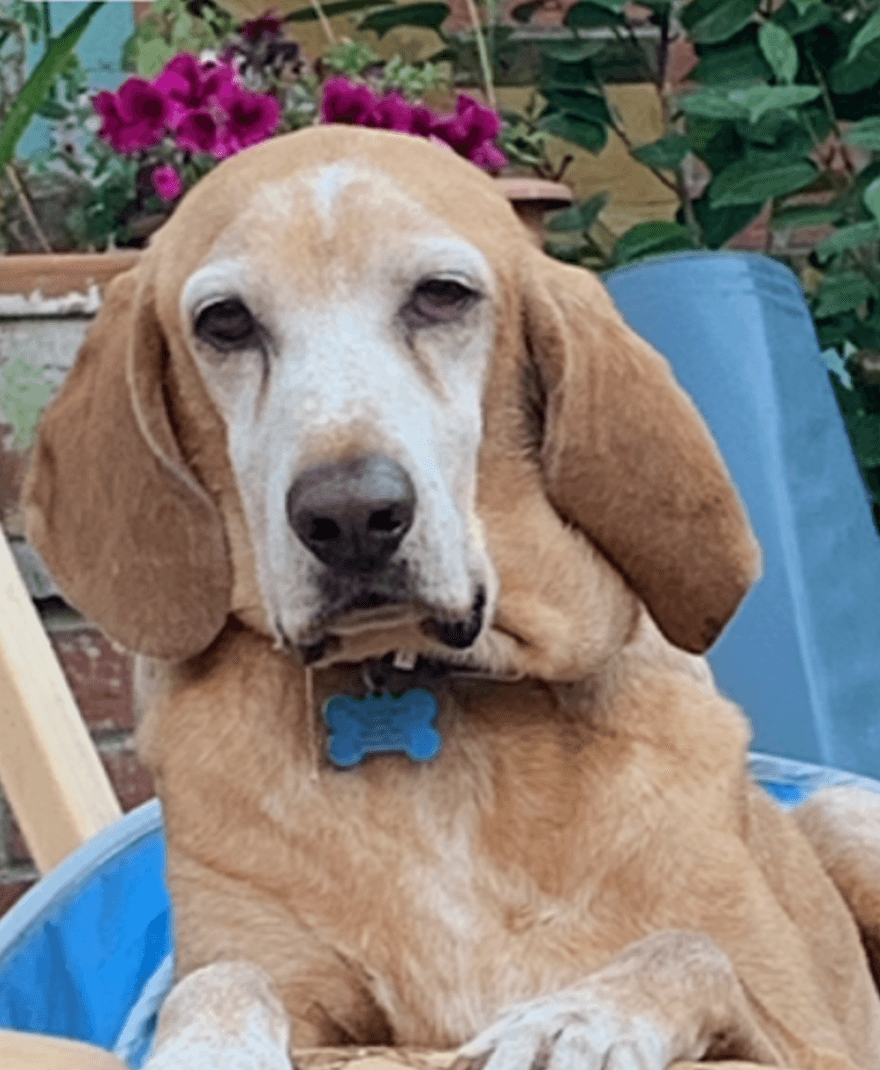
Through their Eyes
The most important shift adopters can make is adjusting their expectations. Romanian rescue dogs are not blank slates. They are intelligent, complex, emotionally rich beings shaped by real experiences.
It’s never about “fixing” them or forcing them to fit neatly into our lives. It is about learning to live alongside them, understanding their communication, and creating an environment where they feel safe.
When we slow down, offer choice, and see the world through their eyes, we give them the best chance not just to survive — but to truly settle, connect, and thrive.
--
Michele Kent
Wight Canine Therapy
07732 789 624
Voices From The Community is a special section of our blog written by people like you, for people like you. If you want to propose your contribution to our AEDC Blog, check this page here.
🌟🐕🌈 More on dogs, wolves, people and nature? Check the AEDC Academy!

Hey there! Here is Marco Adda. Welcome on my blog-post. Here at AEDC - Anthrozoology Education Dogs Canines, you find relevant informations about dogs, wolves, other animals and their interaction (and conflict) with people.
Subscribe to our newsletter


VOICEs FROM THE COMMUNITY Program:
Write your Wolf/Dog/Animal story and publish it on our AEDC Blog.
Your voice is our strenght.


15% OFF
on our programs?
GET YOUR CODE RIGHT AWAY
We will not send spam messages
Follow on


AEDC Anthrozoology Education Dogs Canines - Academy
Supporting professionals.
Shaping the life of people and animals.
© Copyright 2026 | Marco Adda | Privacy Policy | Terms of Use
Created with © Systeme.io